
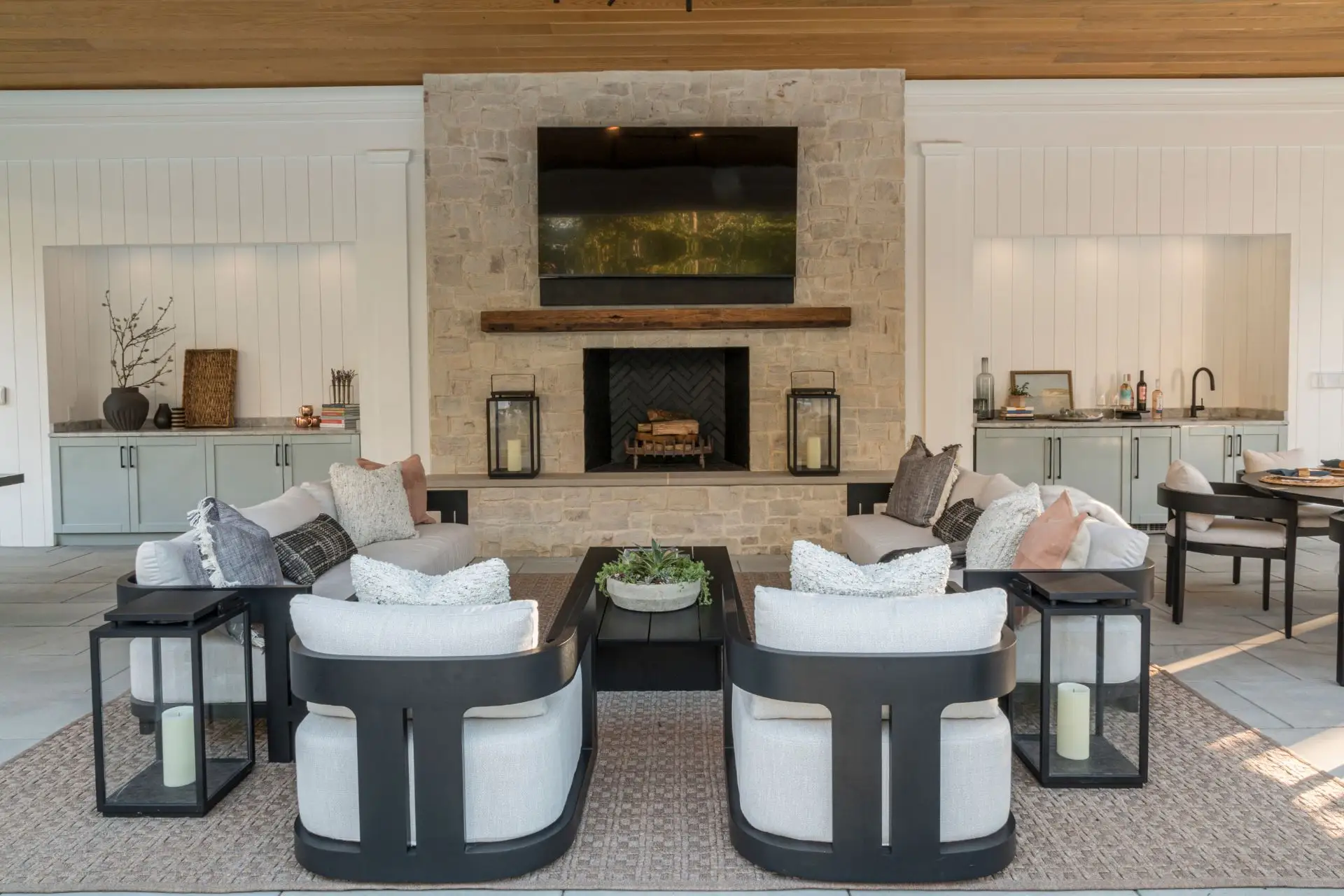
Hardscaping 101 in Alexandria, VA: What Homeowners Need to Know
|
Welcome to the world of hardscaping! Whether you’re a homeowner looking to upgrade your outdoor space in Alexandria or planning a full landscape redesign, understanding how hardscaping works is the first step toward building something that lasts.
In this guide, we’ll cover:
- Hardscaping basics and fundamentals
- How hardscaping works with softscaping
- What actually matters when designing a space that performs well in Northern Virginia conditions
What is Hardscaping?
Hardscaping refers to the non-living elements of a landscape, including features like patios, walkways, retaining walls, and decks, typically built using materials such as stone, concrete, brick, or wood.
These elements define how your outdoor space functions, and determine how you move through your yard, how you use it, and how well it holds up over time.
In a place like Alexandria – where you’re dealing with seasonal temperature swings, clay-heavy soils, and drainage challenges – hardscaping plays an even bigger role in long-term performance.
Hardscaping allows you to:
- Create usable outdoor living space for entertaining and relaxing
- Improve accessibility and flow throughout your yard
- Define clear zones for different uses
- Add structure that complements surrounding plantings
Hardscaping vs. Softscaping: Getting the Balance Right
Hardscaping covers the structural elements of your yard, while softscaping includes the living components like plants, trees, and lawn.
When the balance is off, the space doesn’t work. Too much softscaping leads to a yard that feels unstructured and harder to use. Too much hardscaping creates a space that feels overly built and unforgiving.
The approach that works: build the structure first, then layer in plantings to soften edges and bring everything together.
Here is a look at how hardscaping, softscaping, and landscaping all work together.
| Aspect | Hardscaping | Softscaping | Landscaping |
|---|---|---|---|
| Definition | Non-living structural elements made from hard materials | Living organic elements of outdoor spaces | Overall design, arrangement, and care of outdoor spaces |
| Materials | Stone, concrete, brick, pavers, metal, wood, etc. | Plants, trees, grass, flowers, shrubs, etc. | Combination of hardscape and softscape materials |
| Examples | Patios, decks, walkways, retaining walls, driveways, pergolas, fire pits | Trees, shrubs, annuals, perennials, lawns, climbing vines | Complete outdoor design incorporating all elements |
| Primary Function | Provides structure, organization, and functionality | Adds beauty, texture, color, and natural feel | Creates harmonious, functional outdoor spaces |
| Durability | Long lasting (15 – 50+ years, depending on materials) | Requires ongoing care and seasonal changes | Depends on balance of both elements |
| Maintenance | Low to moderate (varies by material) | High (regular watering, pruning, seasonal care) | Moderate to high (ongoing care for both) |
| Cost | Varies; larger up-front investment | Varies; generally lower initial cost | Combined cost of both hardscape and softscape |
| Design Role | Creates “bones” and framework of landscape | Softens hard edges and adds visual interest | Balances form and function for complete design |
| Climate Impact | Must be selected for climate resilience | Requires climate-appropriate plant selection | Must account for climate in all material/plant choices |
| Installation | Often requires professional installation and permits | Can be DIY-friendly | May require professional design, installation, and project management |
Types of Hardscaping
Many residential hardscaping projects include one or more key elements:
- Patios and outdoor living spaces
- Walkways and garden paths
- Retaining walls for slope management
- Driveways and entry features
- Fire pits, seating walls, and outdoor kitchens
Core Elements & Materials: What Works in Northern Virginia
Most hardscape decisions come down to a few core elements. In every case, material choice impacts durability, maintenance, and how well the project holds up in the local climate.
Patios & Decks: The Core Living Space
This is where most homeowners in Alexandria focus first: creating a usable outdoor area for dining, entertaining, and relaxing.
Common options:
- Natural stone: highly durable, premium appearance, higher cost
- Pavers: versatile, easy to repair, strong performance in freeze-thaw conditions
- Concrete: cost-effective, customizable, more prone to cracking over time
- Wood decking: natural look, requires ongoing maintenance
- Composite decking: low maintenance, higher upfront investment
Walkways: Movement and Flow
Walkways guide how people move through your property and connect different areas of the yard.
Common options:
- Gravel: budget-friendly, informal, requires upkeep
- Brick: classic look that fits well with Alexandria architecture
- Stepping stones: best for low-traffic areas
- Pavers/flagstone: durable, clean finish, requires proper installation
Retaining Walls: Structure and Drainage Control
Retaining walls are common in Alexandria due to grading and elevation changes. They’re critical for both stability and drainage.
Common options:
- Natural stone: durable, high-end appearance
- Brick: consistent with traditional home styles
- Concrete blocks: engineered for strength and cost-efficiency
- Timber: lower cost, shorter lifespan
Fire & Outdoor Features: Extending Use
These features increase how often your outdoor space actually gets used, especially in spring, fall, and even mild Virginia winters.
Common options:
- Fire pits and seating areas
- Outdoor kitchens and grilling stations
- Water features for visual interest
- Built-in seating and gathering areas
Read more about outdoor fireplaces vs. fire pits
Key Takeaway: Material choice matters, but installation quality matters more—especially in a climate like Northern Virginia.
Hardscaping Design Considerations
Most hardscape failures aren’t caused by materials; they’re caused by decisions made during planning and installation.
Purpose & Layout: Design the space around how you’ll actually use it. Poor layout leads to underused patios and awkward transitions between spaces.
Materials & Aesthetics: Choose materials that match your home and hold up in local conditions. What looks good on day one needs to still perform years later.
Climate & Drainage: Water is the biggest threat to any hardscape. Alexandria properties often deal with drainage issues, so grading and water management need to be handled correctly from the start.
Build Quality: A properly prepared base is the difference between a hardscape that lasts 20+ years and one that starts failing in a few seasons.
Maintenance & Practical Factors: Plan for upkeep. Simpler designs and durable materials reduce long-term maintenance and prevent costly repairs.
Installation and Maintenance of Hardscaping
Professional vs. DIY Installation
Professional installation is recommended for:
- Complex features like retaining walls (especially over 3 feet tall)
- Intricate paving patterns
- Projects requiring permits or engineering
- Drainage systems and grading work
- Any project where mistakes could be costly
Potential DIY projects:
- Small patios (under 200 sq ft) using pavers
- Simple walkways with stepping stones or gravel
- Basic edging and borders
- Decorative elements like fire pits (with proper safety precautions)
Pro Tip: Even for DIY projects, proper base preparation is non-negotiable. This is where most homeowners cut corners. Don’t. A properly prepared base is the difference between a hardscape that lasts 20+ years and one that fails in 5 years or less.
FAQs About Hardscaping
What is the difference between hardscaping and landscaping?
Hardscaping refers to non-living elements, while landscaping includes both hardscaping and softscaping.
Is hardscaping a good investment in Alexandria, VA?
Yes. Well-built hardscaping improves usability, reduces maintenance, and adds long-term property value—especially in established neighborhoods.
What is the most important part of a hardscaping project?
Drainage and base preparation. Most failures come from water issues or poor installation, not the materials themselves.
How long does hardscaping last?
Well-built hardscaping can last 20–50+ years depending on the materials and installation quality. The biggest factor isn’t the material, but the foundation and drainage. Poor base preparation is the most common reason hardscapes fail early.
Do I need a permit for hardscaping in Alexandria, VA?
It depends on the project. Features like large patios, retaining walls over a certain height, or work that impacts grading and drainage may require permits. It’s important to check local regulations or work with a contractor who understands Alexandria’s requirements to avoid issues later.
Hardscaping Services in Alexandria, VA
Hardscaping determines how your outdoor space functions, how long it lasts, and how it’s experienced day to day. Done right, it creates structure, improves usability, and supports everything around it.
The most successful hardscapes:
- Serve a clear purpose
- Are built with proper drainage and foundation
- Balance structure with surrounding plantings
- Use materials suited to the environment
- Are designed for long-term use
If you’re planning a patio, walkway, or full outdoor living space, working with a contractor who understands local soil conditions, drainage, and permitting requirements makes a significant difference.
Landed is an expert landscape architect specializing in designing and building hardscapes that last in Northern Virginia conditions—from custom patios and retaining walls to full outdoor living environments.
Ready to start your project? Contact us to request a consultation and begin designing a plan tailored to your property.
Stay Connected
Landscapes are always evolving. And so are the ways you can care for, enjoy, and elevate your outdoor spaces. When you follow Landed, you’ll receive thoughtful insights, seasonal guidance, design inspiration, and more. We share examples and tips you can apply: practical horticultural expertise, behind-the-scenes craftsmanship, and specific ideas to make your Northern Virginia landscape more beautiful, functional, and enduring.
Join us as we explore the art and care of outdoor living. It’s an easy way to stay inspired, informed, and connected to a team that’s committed to being your landscape partner for life.
Turn Inspiration into Action
When you’re ready to transform your outdoor space, our team is here.
From design to master planning, construction to long-term care, Landed provides a seamless partnership.